Review: Son Brother Gaming Legend T-shirt Design
As a designer who has spent countless hours digitizing and testing embroidery patterns, I approach every new Graphics asset with a critical eye. It is not just about how an image looks on a screen; it is about how it translates into thread, tension, and texture. Recently, I evaluated the Son Brother Gaming Legend T-shirt design to determine its viability for real-world production. This review breaks down the practical implications of using this artwork in your next embroidery project.
First Impressions and Visual Personality
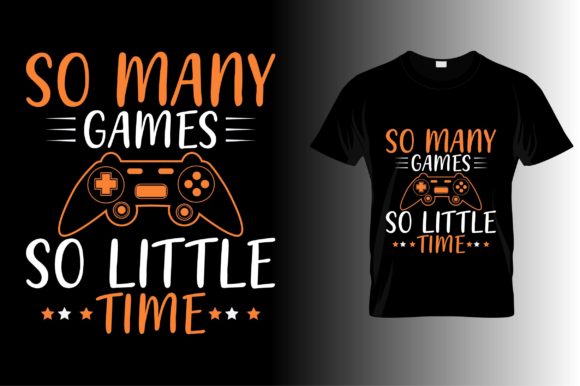
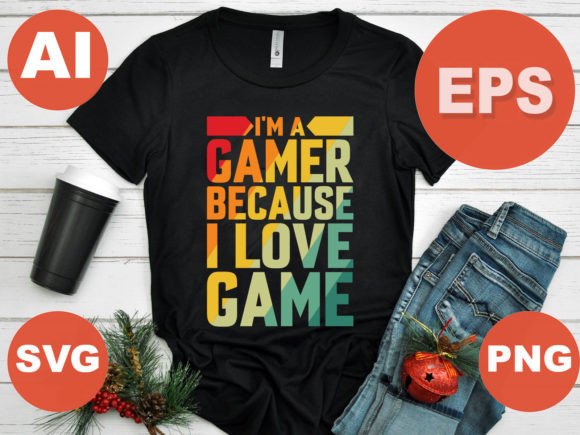
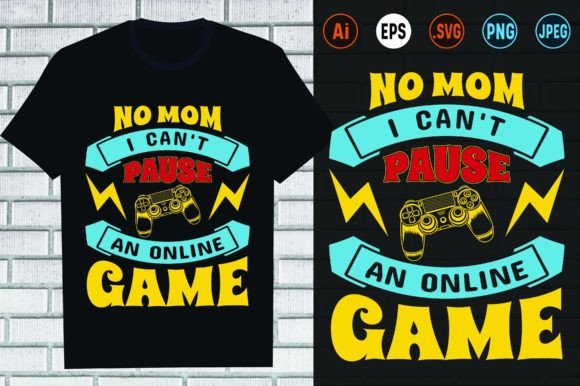
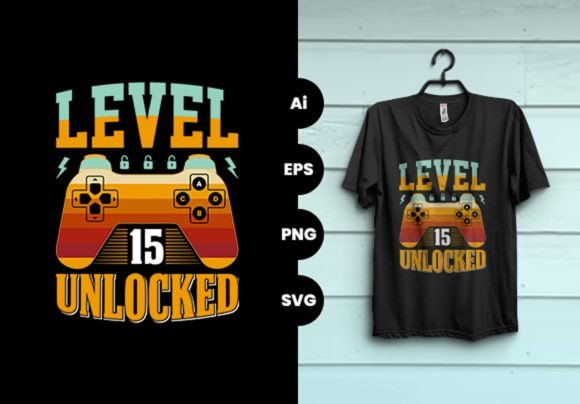
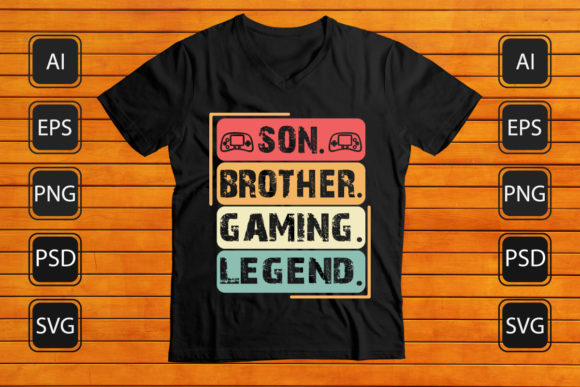
The initial visual impact of the Son Brother Gaming Legend T-shirt is bold and energetic. The layout suggests a theme rooted in gaming culture, which naturally appeals to a specific demographic. For those of us creating custom apparel, understanding the mood is half the battle. This design does not whisper; it announces itself. The shapes are distinct, and the thematic elements are clear, which is crucial when reducing complex digital art into stitch data.
When I first loaded the file into my viewer, I looked for potential pitfalls. Are there tiny details that will vanish under a needle? Is the contrast strong enough to read from a distance? The Son Brother Gaming Legend T-shirt appears to have a solid structural foundation. However, because the source material is listed under Print Templates, we must remember that what works for sublimation or ink does not always work for thread. Ink can print microscopic details; embroidery cannot. This distinction is vital for any Etsy seller or craft business owner planning to pivot this graphic into a stitched product.
Real-World Application Scenarios
To truly test the versatility of this design, I imagined several production scenarios. Let’s say you are preparing a custom order for a client who wants a sweatshirt embroidery piece for their teenage son. The bold lines of the Son Brother Gaming Legend T-shirt would sit well on the heavier fabric of a hoodie. The fill stitch areas would provide good coverage, making the design pop against dark heather gray or navy fleece.
Another viable option is a tote bag design. Canvas bags are popular handmade products that require durable stitching. If the design’s density is managed correctly, it could serve as a standout feature on a grocery or library bag. However, I would be cautious about using this on a baby embroidery item unless the scale is significantly reduced and simplified. Babies require softness, and large, dense blocks of thread can feel stiff against sensitive skin.
For holiday gifts or birthday presents, this design fits perfectly into the "gamer" niche. Imagine it embroidered on a cap or a embroidered patch that can be ironed onto a jacket. Patches are excellent for testing new designs because they allow you to perfect the tension and stabilizer choice without risking a whole garment. If you are a small shop product creator, offering this as a patch could be a low-risk way to gauge customer interest before committing to full apparel runs.
Technical Considerations for Stitching
Here is where the rubber meets the road. Since the product description mentions suitability for T-shirts and sublimation, we do not have explicit data on stitch count or recommended hoop size. This lack of technical specification means you must do the legwork. Before running this on a customer’s shirt, you must digitize or adjust the file specifically for embroidery.
Stitch density is a major concern. If the original graphic has large solid areas, converting them directly to fill stitch without proper underlay can cause puckering, especially on thinner fabrics like standard cotton tees. You may need to break up large color blocks with running stitch textures or reduce the density to maintain fabric drape. Always use a cut-away stabilizer for knit fabrics to prevent distortion after washing.
Consider the thread colors. Gaming themes often rely on neon or high-contrast palettes. Ensure your thread inventory matches the vibrancy of the design. If you are working on dark fabric, you might need to add a white underlay to make the colors sing. Conversely, on light fabrics, ensure there are no gaps in the stitching that reveal the background material unintentionally.
Where to Use Caution
- Curved Surfaces: Avoid placing large, dense versions of this design on caps or curved sleeves without proper hooping techniques, as it may cause warping.
- Tiny Lettering: If the design includes small text, verify that it remains legible at your intended size. Text smaller than 0.25 inches often becomes unreadable in embroidery.
- Stretchy Fabric: Be mindful of using heavy fill stitches on spandex or performance wear, as the thread does not stretch with the fabric.
- Frequent Washing: Items like kitchen towels or aprons undergo rigorous cleaning. Ensure the edges are properly satin-stitched or backed to prevent fraying over time.
Enhancing Product Value and Brand Trust
Using a well-executed version of the Son Brother Gaming Legend T-shirt can elevate your finished product. Customers associate clean, crisp embroidery with quality. When a personalized gift looks professional, it builds trust in your brand. For commercial embroidery projects, consistency is key. If you sell this design across multiple items, ensure the colorway and placement remain consistent to strengthen brand recognition.
From a marketing perspective, this design offers strong visual appeal for online listings. A high-quality printable mockup showing the design on a model can drive engagement. However, always be transparent. Show close-up photos of the actual stitching so buyers understand the texture and quality they are purchasing. This transparency reduces returns and increases satisfaction.
Practical Designer Notes
- Test on Scrap Fabric: Never run a new design on final stock. Use similar weight and weave scraps to test tension and registration.
- Check Contrast: View your design in black and white to ensure the shapes are distinct even without color cues.
- Verify Licensing: The description states it is for various purposes, but always confirm if the license allows for commercial sale of physical goods. As an Etsy seller, protecting your business from copyright issues is paramount.
- Adjust for Scale: What looks good on a poster may be too busy on a pocket. Scale down and simplify if necessary.
- Inspect Details: Zoom in on corners and intersections. Sharp points may need to be slightly rounded to prevent thread bunching.
In conclusion, the Son Brother Gaming Legend T-shirt offers a promising base for creative embroidery work, provided you approach it with technical diligence. It is not a plug-and-play solution for every fabric type, but with proper digitizing adjustments and testing, it can become a standout item in your design assets library. Whether you are creating a holiday embroidery gift or expanding your small business merchandise line, treat this graphic as a starting point for craftsmanship, not just a picture to be stitched.