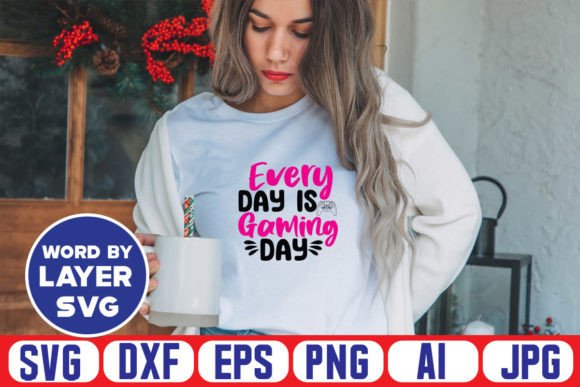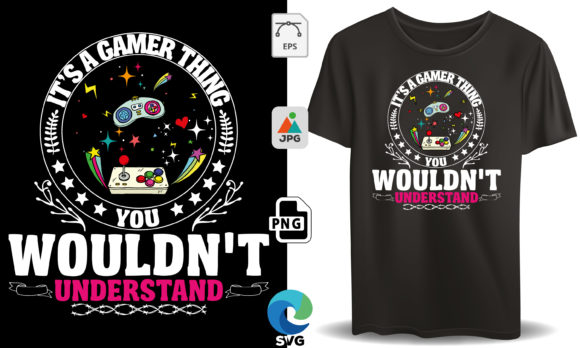
Reviewing It s a Gaming Thing You Wouldn t for Stitch
As a designer who spends half my life digitizing and the other half staring at hoop marks on fabric, I approach every new digital embroidery file with a healthy dose of skepticism. We have all been there: you download a graphic that looks crisp on screen, only to watch it turn into a tangled mess of thread breaks and puckering on the machine. Today, I am taking a close look at It s a Gaming Thing You Wouldn t, a design marketed primarily under T-Shirt Designs and Graphics, to see if it holds up when moved from the pixel grid to the needle.
First Impressions and Visual Personality
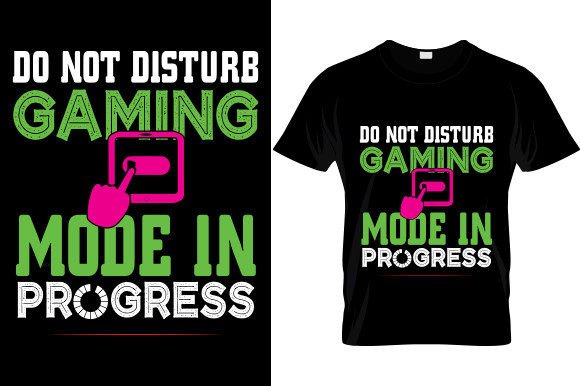
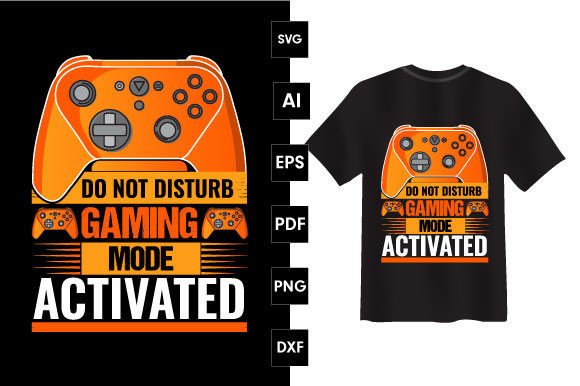
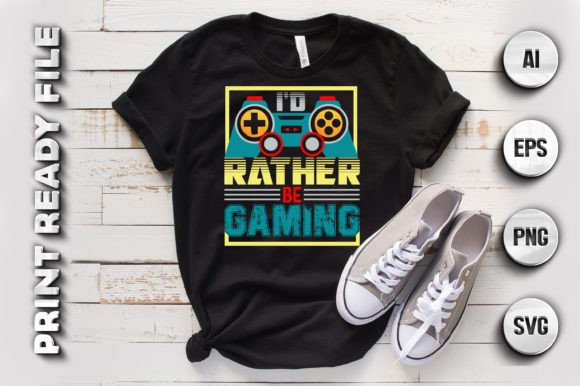
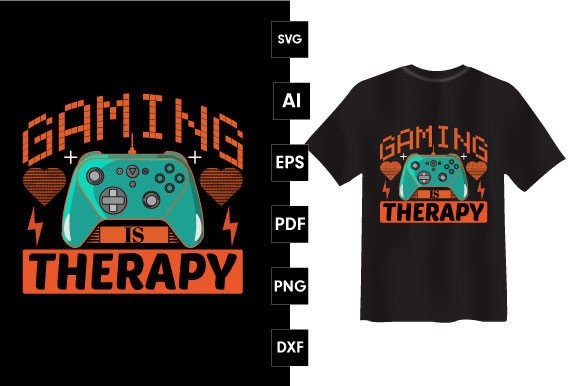
The first thing that strikes me about It s a Gaming Thing You Wouldn t is its bold, declarative attitude. It does not try to be subtle. The typography and layout suggest a mood that is playful yet confident, appealing directly to the gaming community. For an embroidery project, this kind of strong visual personality is a double-edged sword. On one hand, it grabs attention immediately, which is crucial for Etsy sellers and small shop product listings where thumbnail impact matters. On the other hand, bold statements require clean execution. If the lines are jagged or the spacing is off, the message gets lost in the noise of poor stitching.
The design comes as a high-resolution asset, including EPS, PNG, JPG, and SVG formats. While these are excellent for print-on-demand and digital mockups, we need to talk about what this means for the stitcher. Since the primary files are vector and raster images rather than native machine formats like DST or PES, this indicates that the buyer will likely need to digitize the design themselves or use auto-digitizing software. This is a critical distinction. An experienced designer knows that a PNG or SVG is just the starting point, not the finish line.
Real-World Application: The Custom Sweatshirt Test
To truly evaluate It s a Gaming Thing You Wouldn t, I imagined a real-life scenario. A client wants a custom sweatshirt embroidery piece for their teenage son who is obsessed with retro gaming. They want something that looks professional, not like a home-made experiment. I placed the design mentally on a heavyweight cotton-blend fleece.
In this context, the design works well because sweatshirts provide a stable, thick canvas. The fill stitch areas required for the solid parts of the letters would sit nicely on the textured fabric without sinking in. However, if I were to apply this same design to a thin, stretchy jersey for a tote bag design or a lightweight tee, I would be worried. Without proper stabilization, the weight of the thread could distort the fabric, causing the text to warp. For a handmade product intended for frequent wear, stability is non-negotiable.
Navigating Technical Challenges
Let us discuss where caution is needed. Because It s a Gaming Thing You Wouldn t relies heavily on text and potentially intricate graphical elements, small details are at risk. If you are planning to use this on a curved surface, like a embroidered patch for a cap or a baby hat, you must check the stitch density. High-density areas can cause puckering, especially on structured caps where the fabric is already under tension.
Furthermore, consider the hoop size. If the design is large, you might need a jumbo hoop. But if you scale it down to fit a 4x4 hoop for a baby embroidery project on a onesie, the tiny serifs or inner corners of the letters might become too small for the needle to penetrate cleanly. In such cases, simplifying the design or removing fine details during the digitizing phase is essential. Always test on scrap fabric first. I cannot stress this enough. What looks good in a printable mockup may behave differently on terrycloth versus denim.
Enhancing Product Value and Brand Trust
Why does this matter for your craft business? Because customers can spot a rushed job. A clean, well-stitched It s a Gaming Thing You Wouldn t elevates a simple garment into a personalized gift that feels premium. It builds trust. When a buyer sees consistent stitch quality and clear lettering, they perceive higher value. This is vital for commercial embroidery ventures where reputation is everything.
For holiday embroidery gifts or boutique branding, the choice of thread colors will make or break the design. Since the original files include transparent PNGs and SVGs, you have the flexibility to experiment with colorways before you even touch the machine. Try contrasting threads against dark fabrics to ensure readability. A neon green thread on a black hoodie might scream "gamer," but a subtle grey on grey might look sophisticated and modern. Use these design assets to create varied listings for your online store.
Practical Notes for the Embroiderer
Before you commit to a full production run, keep these practical tips in mind:
- Check Licensing: The description mentions help with print on demand, but always confirm if the license allows for selling physical finished items or if it is for personal use only. This affects how you market your finished product.
- Stabilizer Choice: For stretchy fabrics like those used in custom apparel, use a cut-away stabilizer to prevent distortion over time. For woven fabrics like tote bags, a tear-away might suffice.
- Digitizing Strategy: Since you are working from vector/raster sources, pay attention to underlay stitches. Proper underlay anchors the top stitches and prevents shifting, which is crucial for maintaining the sharp edges of the text in It s a Gaming Thing You Wouldn t.
- Mockup Verification: Use the included JPG and PNG files to create realistic previews for your customers. Show them how the design looks on different garments to manage expectations.
Final Verdict
It s a Gaming Thing You Wouldn t is a strong candidate for gamers and niche markets, provided you handle the technical transition from graphic to stitch with care. It is not a plug-and-play solution if you lack digitizing skills, but for those who understand how to manipulate satin stitch widths and manage running stitch paths, it offers a versatile foundation. Whether you are creating a kitchen towel accent, a pillow cover for a game room, or a statement apron, this design has the potential to stand out. Just remember: the file is only as good as the hands that guide it through the machine. Take your time, test your tension, and let the quality of your stitch do the talking.